AutoCI
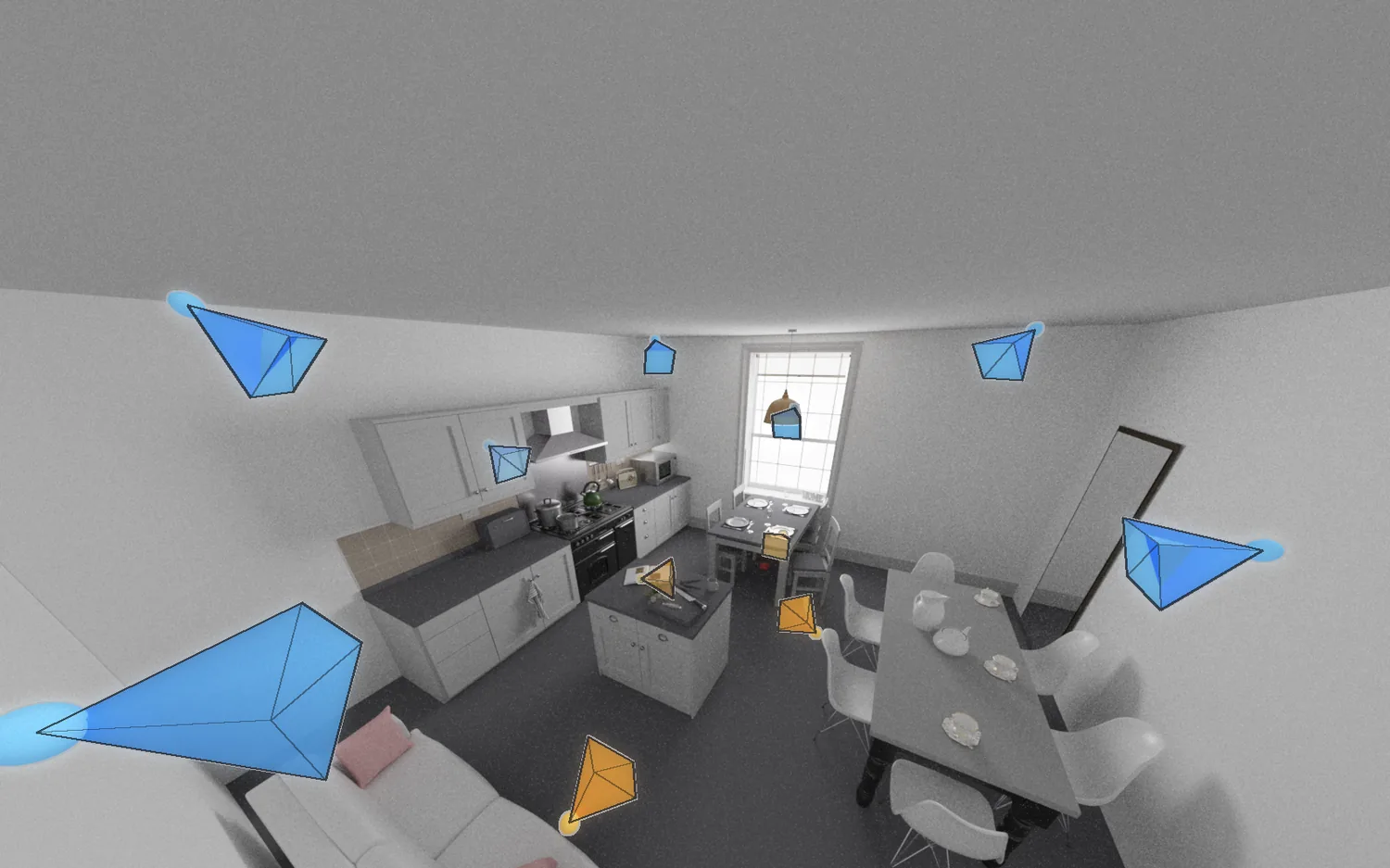
Two LLM agents design a complete imaging system for a task, sensing modality through reconstruction, and every design is validated on scenes it never saw.
95.6% grasping, 90.8% localization
Read more, with 3-D comparison
Robotics and computer-vision engineer
M.Sc. in Robotics from EPFL with a minor in Biomedical Technologies, currently researching perception for embodied agents at the MIT Camera Culture Lab. I work on detection, segmentation and sensor fusion for real-world autonomy, in PyTorch, C++ and ROS 2.
 MIT Camera Culture LabVisiting student, Cambridge MA
 EPFLM.Sc., Lausanne, Switzerland
Eight projects across computational imaging, medical image analysis, control and mobile robotics.
Two LLM agents design a complete imaging system for a task, sensing modality through reconstruction, and every design is validated on scenes it never saw.
95.6% grasping, 90.8% localization
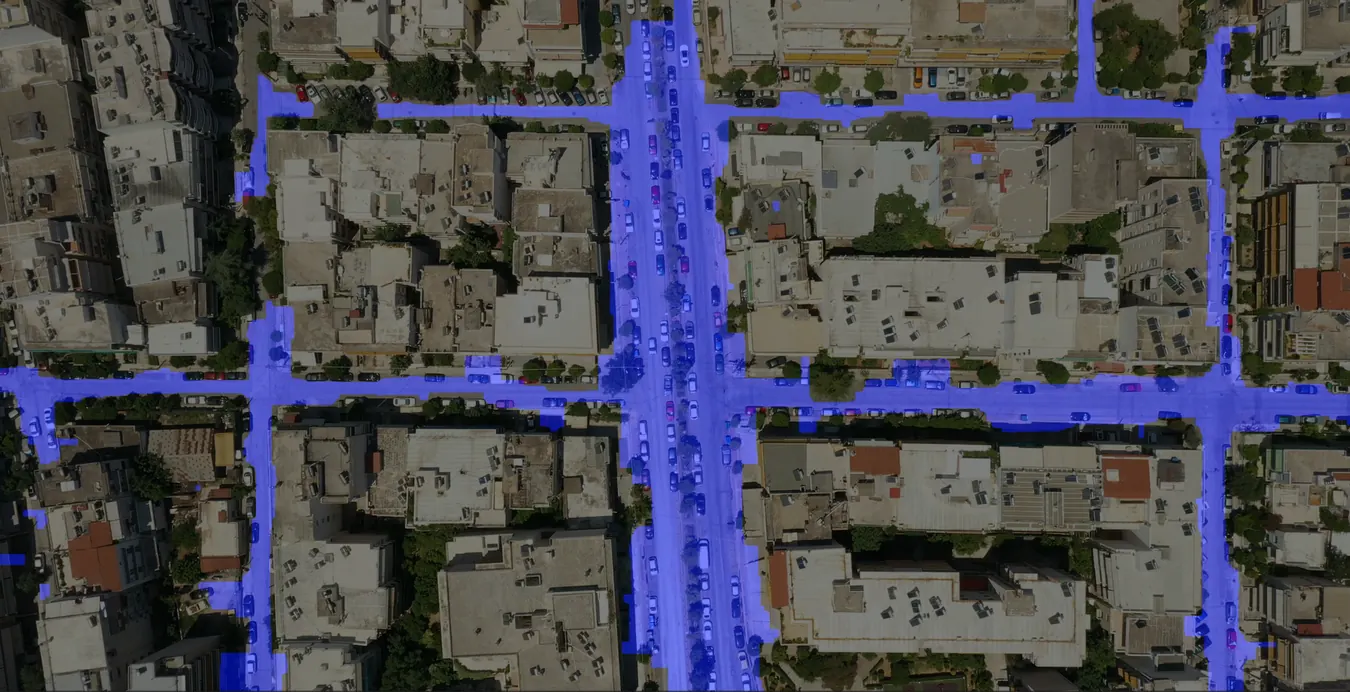
Segment Anything 2, fine-tuned to segment roads under vehicle occlusion across a full aerial video.
83.2% detection in obstructed scenes
Simulated stroke lesions on healthy brain MRI to train a segmentation network without scarce expert annotation.
0.85 Dice, from a 0.73 baseline
Fused RGB and lidar for object detection on a Mars rover, sharpening accuracy up close and extending range further out.
Top-10, European Rover Challenge
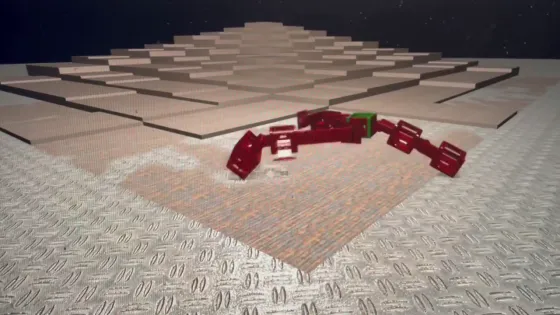
Evolved a modular robot's shape and controller together in simulation, then built the winner in hardware.
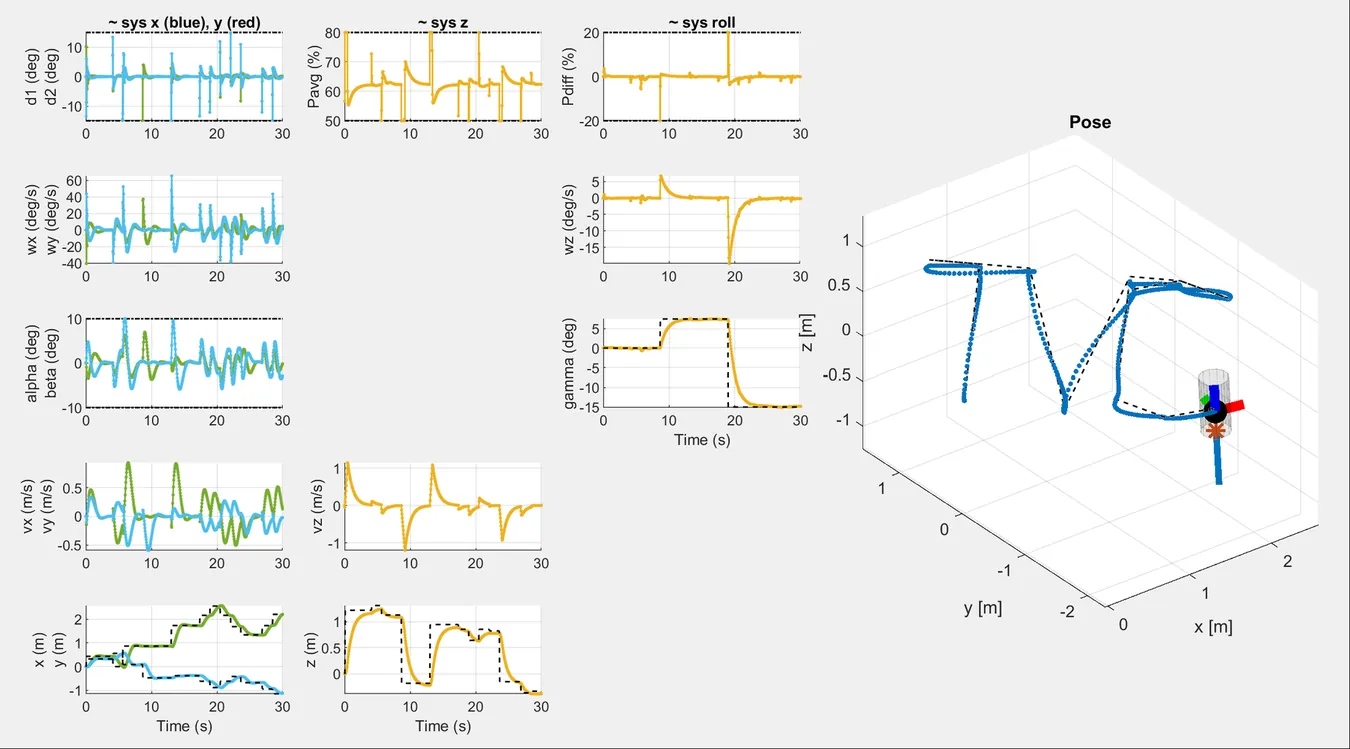
Constrained MPC for a thrust-vectored rocket, up to a nonlinear controller that stays stable under actuator delay.
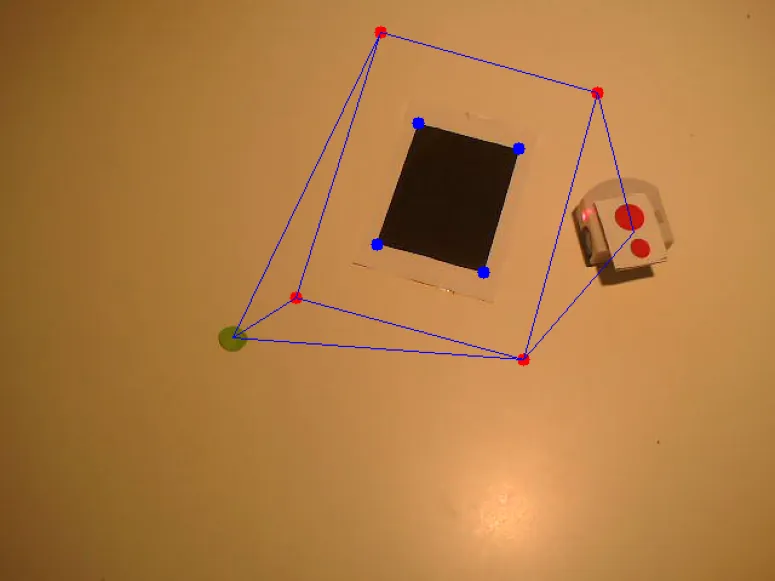
Overhead-camera vision, visibility-graph planning and a Kalman filter that keeps localising when the camera view is lost.
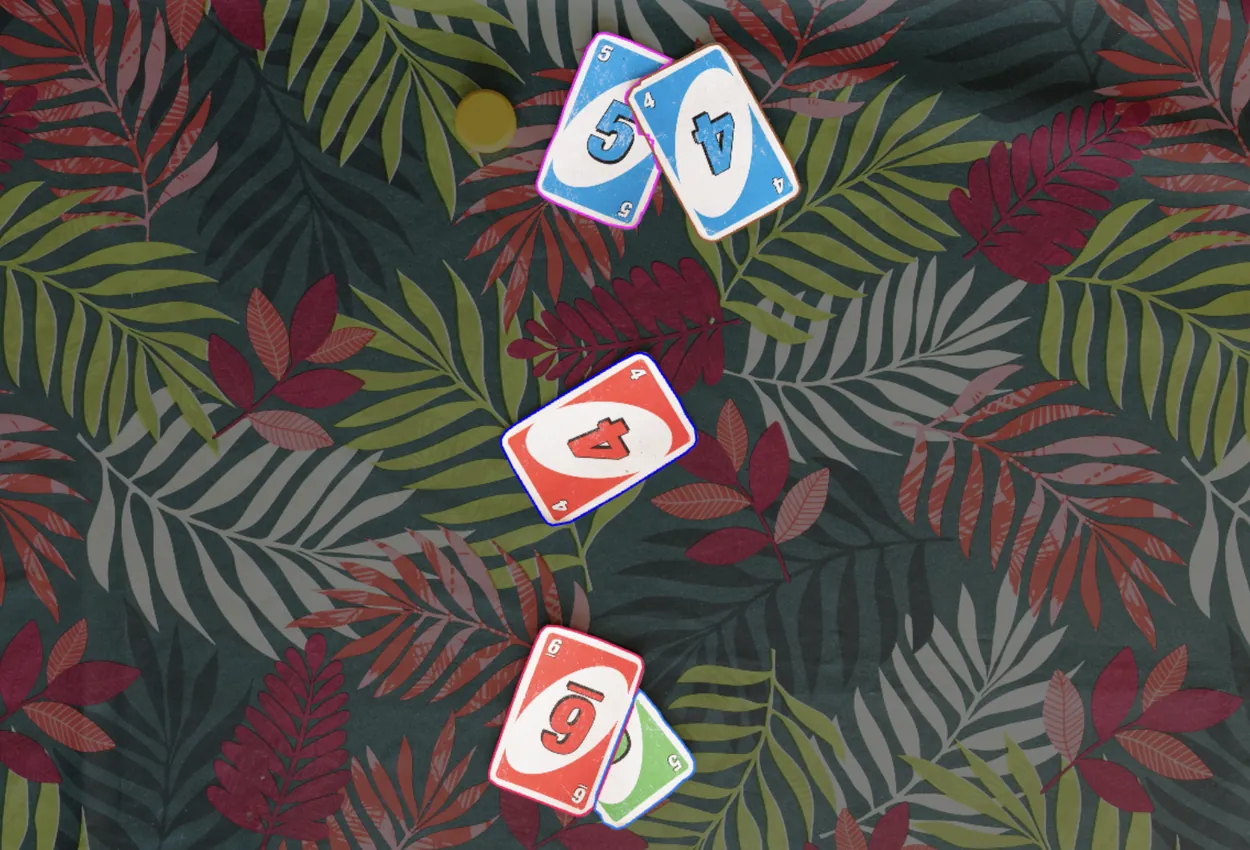
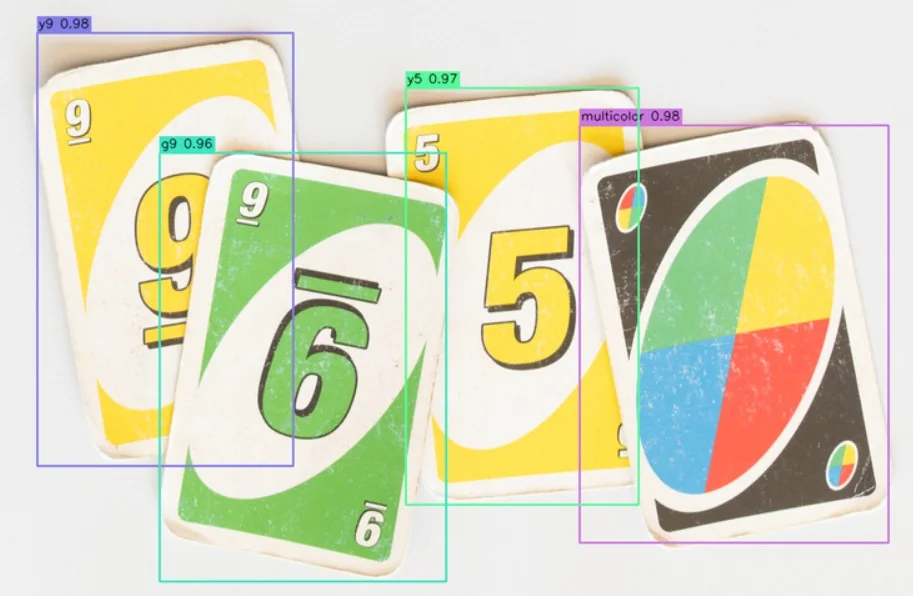
A YOLO detector trained on a hand-annotated dataset to recognise playing cards in live games.
Research and industry positions in computer vision, perception and robotics, from imaging-system design at MIT to autonomous inspection in industry and medical image analysis at EPFL.
MIT Camera Culture Lab, Cambridge MA Michelin Recherche et Technique, Givisiez, SwitzerlandLTS5, EPFL Signal Processing Laboratory 5, LausanneLUTS, EPFL Urban Transport Systems Lab, LausanneEPFL Xplore, LausanneEPFL, Lausanne
Tools and methods used in the work above, grouped by what they are for.
I travel to see how other people live. So far France, Morocco, Spain, South Korea, the United States and Japan, the last of these twice: once with my section at EPFL and once with friends.
Football is a hobby of mine and I play regularly. Team sport keeps up the habits that matter just as much on an engineering team: communicating quickly under pressure, covering for someone when a plan falls apart, and treating the result as collective rather than individual. I also play video games.
Two language-model agents design a complete imaging system for a task, reasoning from first-principles physics: the sensing modality, the optics, and the pipeline that turns their output back into an answer. One proposes, the other validates.
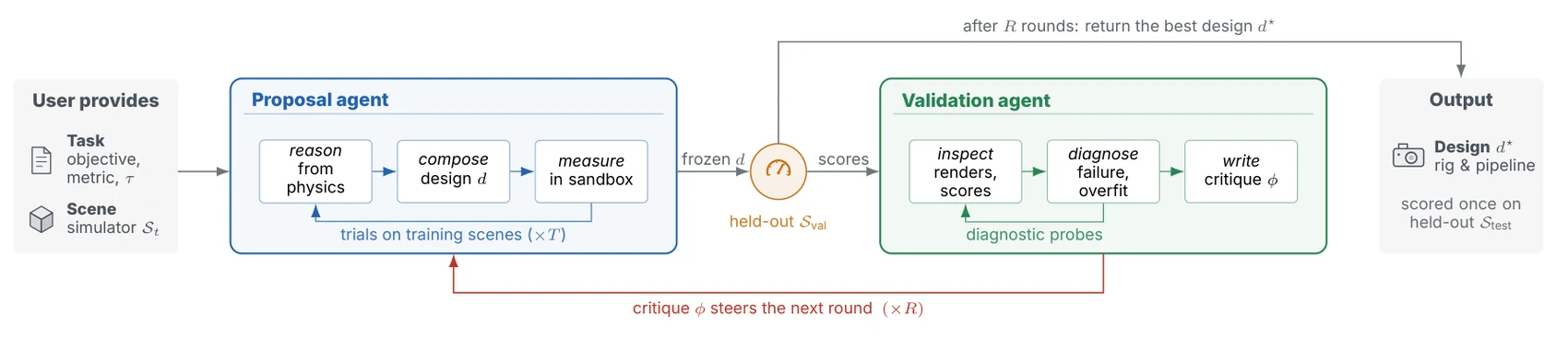
Designing the harness itself. The benchmark is only meaningful if the scoring, the train and test splits and the interface the agent works through are correct, and those decisions are not recoverable after the fact.
Grade every design in the harness on held-out scenes, split categorical parameters into disjoint train and test partitions by hash, and calibrate the pass thresholds against hand-built reference designs rather than agent performance.
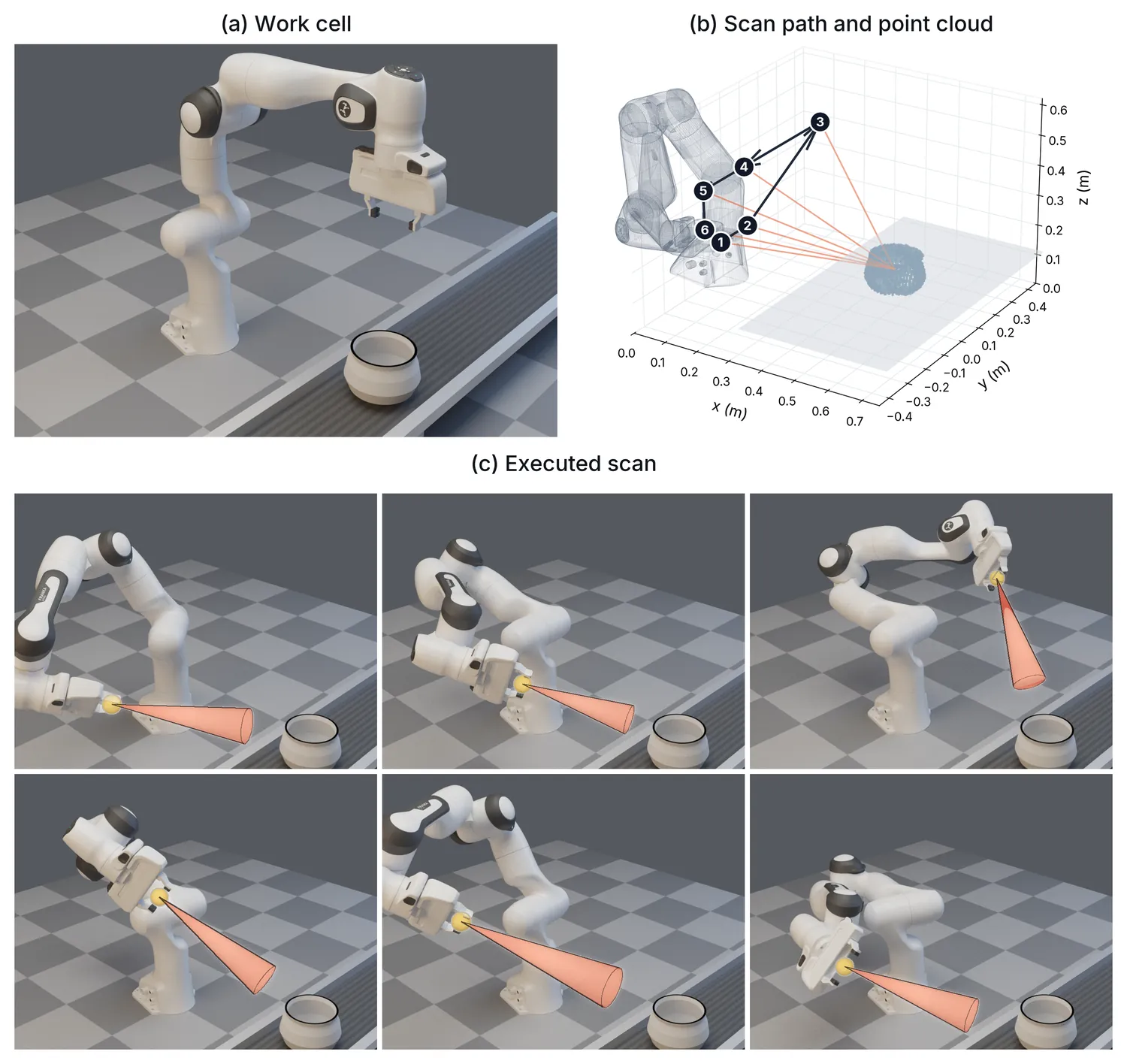
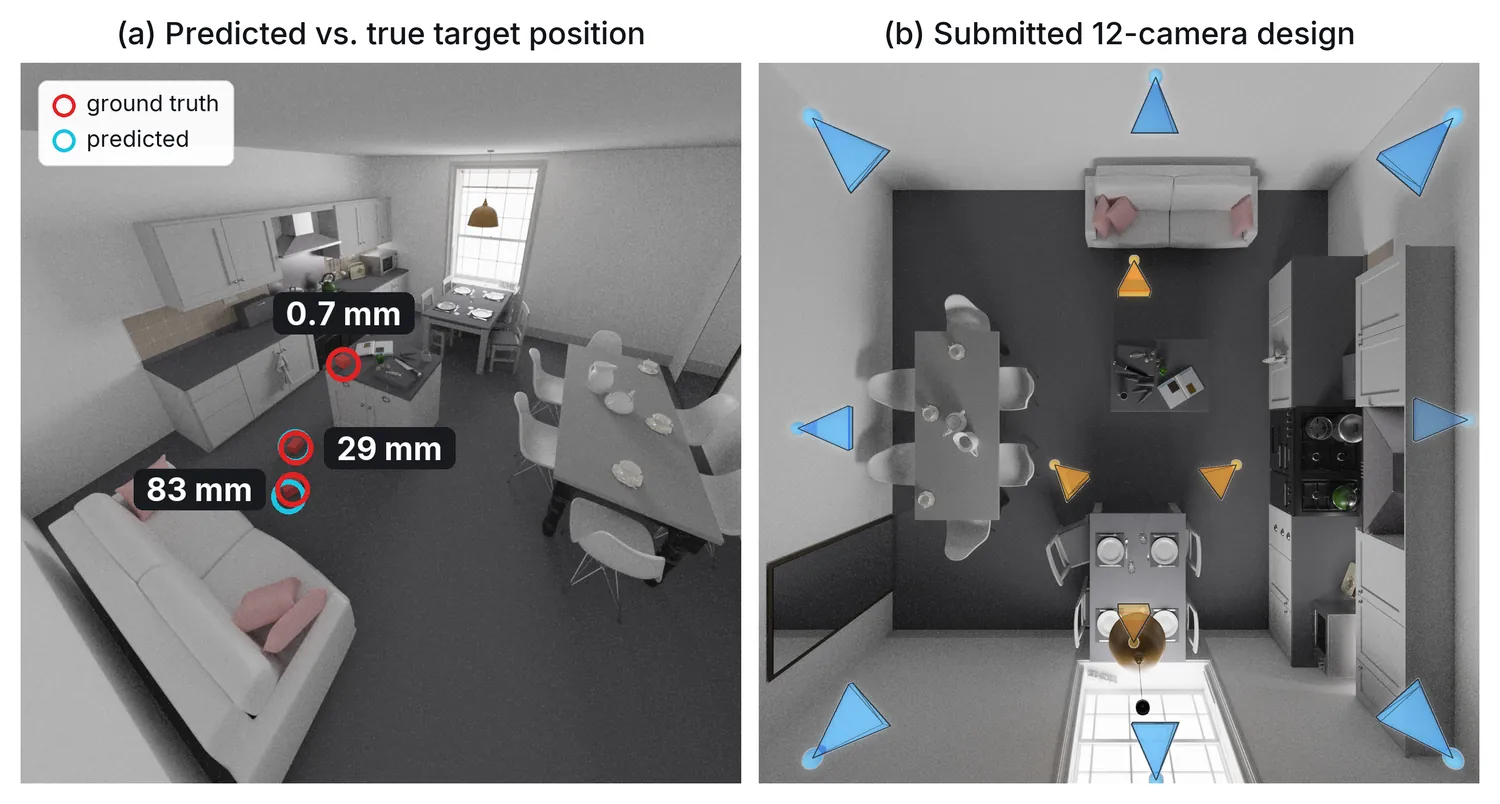
95.6% on robotic grasping and 90.8% on localization in cluttered scenes. Across a twenty-object reconstruction suite, held-out objects came back to within 0.4% to 3.6% Chamfer error.
Drag either mesh to rotate.
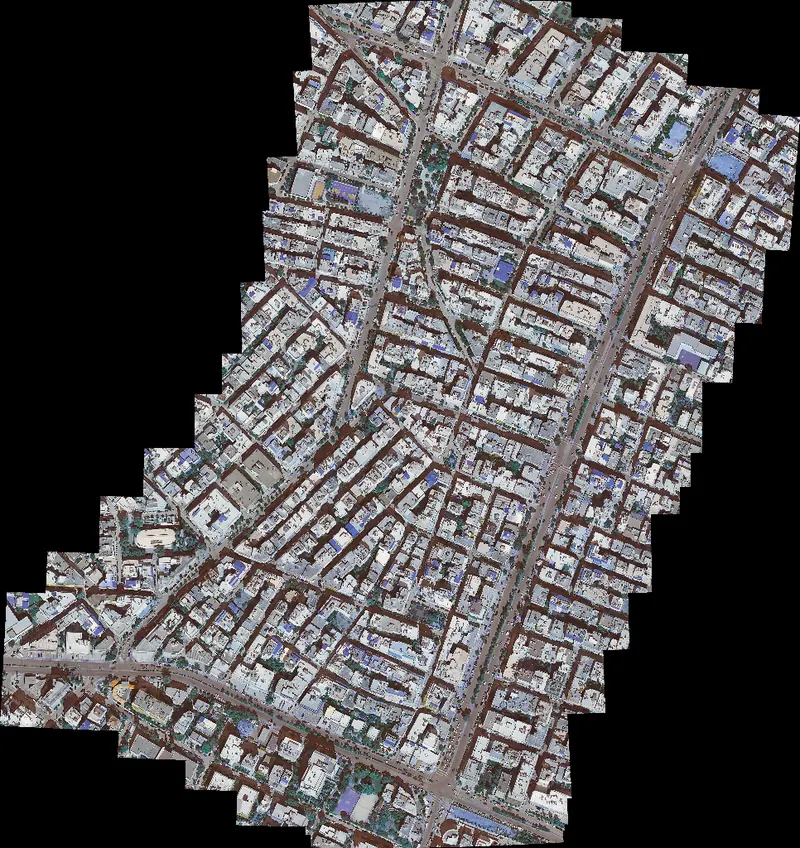
Segmenting the road surface from UAV footage of an urban district, for traffic analysis, and validating the result against an independently built satellite reference.
Parked and moving vehicles cover the road surface, and segmenting each frame independently gave a mask that changed between consecutive frames.
Segment vehicles into their own mask and condition the prompt encoder on the previous frame, so the road is completed under the vehicles and stays consistent across the video.
Training a stroke lesion segmentation model on simulated data, to reduce the dependence on expert voxel-wise annotation of diffusion MRI.
Synthetic lesion templates generated to match the measured shape statistics. Drag to rotate.
Lesion voxels are a small fraction of each volume, so uniform patch sampling collapsed the network to predicting background. Increasing the geometric realism of the synthetic lesions also raised scores on synthetic validation while lowering them on real scans.
Class-balanced patch sampling at roughly 1:2 background to lesion, and priors measured from real data rather than assumed, with each realism setting evaluated on real scans instead of synthetic ones.
0.85 Dice on real ISLES validation data against a 0.73 baseline, roughly a 10% improvement. All four configurations exceeded 0.81. Graded 5.75/6.
Fusing the RGB camera with the lidar for object detection on the EPFL Xplore Mars rover, to improve accuracy near the vehicle and extend the range at which objects are detected.
The two sensors fail in opposite regimes. Lidar returns become sparse with distance, and the camera has no reliable depth, so neither alone covers both the near field and the far field.
Weight the two sensors by range rather than averaging them, using lidar geometry close in and camera detections further out.
Extended detection range and improved localization accuracy, contributing to a top-10 finish at the European Rover Challenge.
The linked repository is the EPFL Xplore team's shared simulation codebase. My contribution was the sensor fusion within it.
Rather than designing a robot and then writing a controller for it, evolve both together. The best design in simulation was then built in hardware to see whether the gait survived.
Tuning the evolutionary hyperparameters, population size, generation count and offspring rate, since they determine whether the search converges at all. Gaits that exploited inaccuracies in the simulated contact model also failed to transfer to hardware.
Sweep the hyperparameters against a fixed evaluation budget and select designs on transferred performance rather than simulated fitness alone.
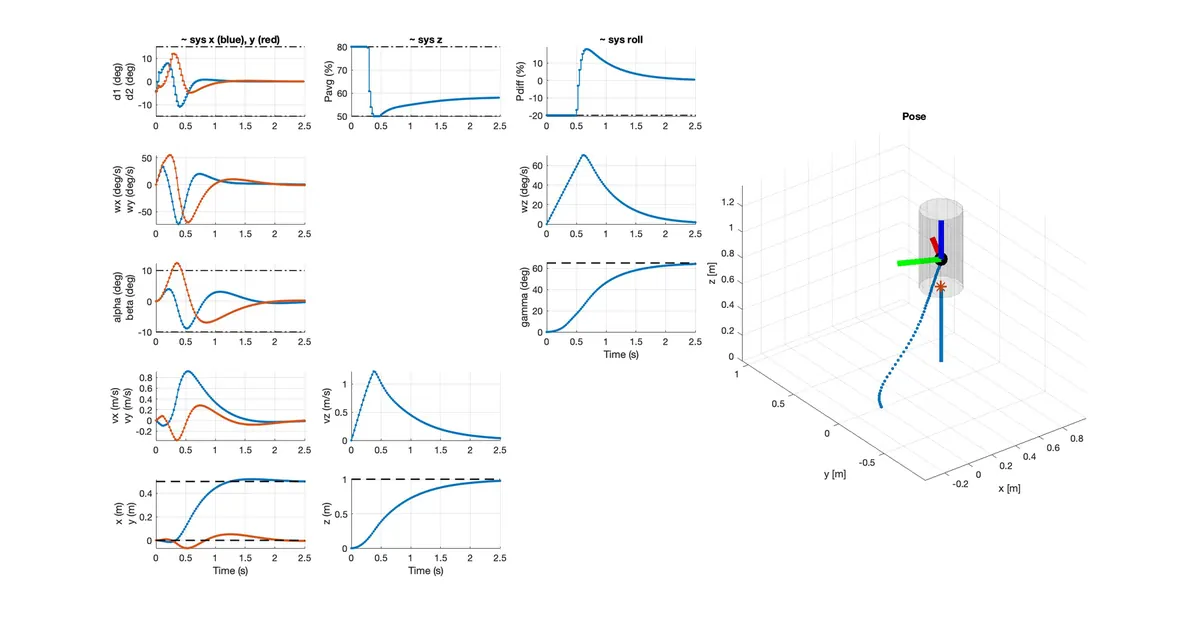
A thrust-vectored rocket with twelve states and four inputs, tracking a path in three dimensions under hard limits on servo deflection, throttle and attitude.
The controller's computation time delays the input reaching the actuators. At a delay of two sampling steps the closed loop oscillates, and at three it becomes unstable.
Predict the state forward by the expected delay using the inputs already sent but not yet applied, and optimise from that predicted state.
A differential-drive robot crossing a physical arena to a goal, planning around the obstacles it can see and reacting to the ones it cannot.
Moving from four independently developed modules, vision, global navigation, control and obstacle avoidance, to a single asynchronous stack. The modules ran at different rates and had to stay consistent while the environment changed, for example when shadows altered the camera view.
Define one shared state estimate that every module reads from and writes to, so each can run at its own rate, and make each perception step report validity so the filter falls back to odometry instead of consuming a bad measurement.
Detecting and classifying playing cards from photographs of a live game, on a patterned tablecloth.
The table surface was a leaf-patterned cloth whose shapes and colours resemble card markings, which produced both false positives on the background and missed cards.
Tighten the image-processing stack ahead of the detector, segmenting the cards from the background so classification runs on card regions rather than the raw frame.